




Artificial intelligence (AI) is becoming more than just a catchphrase; it is changing workplaces, industries, and posing one of the most contentious issues of our day: will AI taking over jobs? Many people are concerned about the future of work as a result of the rapid adoption of technology, which includes self-checkout kiosks, automated customer service, and AI-powered content creation. Others contend that AI will open up new opportunities and redefine how people work, while some worry about a massive loss of jobs due to AI taking over.
We’ll examine the relationship between AI and jobs in detail in this piece, exploring whether automation will replace workers or merely alter the nature of work. We’ll also look at actual cases, the sectors most impacted, and how AI is used in daily life to shape long-term prospects.
What Does AI Taking Over Jobs and Automation Mean for Employment?
It’s critical to distinguish between automation and augmentation when talking about AI and jobs.
Automation: AI replaces repetitive, rule-based tasks that don’t call for human judgement or creativity.
Augmentation: AI helps people do their jobs more effectively and productively without completely replacing them.
AI chatbots, for instance, can respond to simple customer support questions, but human agents are still needed for complex situations that call for empathy and critical thinking. This demonstrates that automation can also mean support and assistance rather than the loss of jobs.
Will AI Replace Jobs Entirely?
The key question still stands: Will AI totally replace human labour? In the middle is where the truth is.
Risky jobs: Automation is most likely to affect repetitive, manual, and routine jobs like cashiers, factory line workers, telemarketers, and data entry clerks.
Jobs changing: Industries like healthcare, AI Is Transforming Education, and finance are changing rather than going extinct. AI in Healthcare for medical imaging, educators for individualised instruction, and financial advisors for fraud detection.
Jobs created: AI creates new jobs like data scientists, robotics technicians, prompt engineers, and AI trainers.
AI may cause the loss of 85 million jobs worldwide, but it may also lead to the creation of 97 million new ones, according to a World Economic Forum report—aligning with broader predictions for the future of AI that highlight transformation rather than the end of work.
Which Industries Face the Biggest Automation Effect on Jobs?
The impact of automation on employment is not uniform. Certain industries are more susceptible than others:
Manufacturing: More and more assembly lines, quality assurance, and packaging are being handled by robots.
Retail: Traditional retail employees are no longer necessary thanks to automated warehouses and self-service kiosks.
Transportation: Drones and driverless cars have the potential to revolutionise delivery, taxi, and trucking services.
Banking: AI fraud detection tools, robo-advisors, and automated teller machines (ATMs) are reducing manual labour.
However, sectors like therapy, the arts, and strategic leadership that depend on human interaction, creativity, and emotional intelligence continue to be safe.
Is AI Creating More Opportunities Than It Replaces?
It’s a common misperception that technology always results in fewer jobs. The story of history is different. Machines replaced manual labour during the industrial revolution, but they also gave rise to new industries and occupations. Today’s jobs and AI also follow the same pattern.
Upskilling: In order to stay competitive, workers are acquiring new digital skills.
Hybrid roles: The combination of human and artificial intelligence is creating jobs that were nonexistent ten years ago.
Entrepreneurship: AI technologies make it easier for people to start their own businesses with little funding.
AI frequently redirects labour towards more intricate, value-driven tasks rather than replacing it.
How Should Workers Prepare for an AI-Driven Future?
Workers can get ready by embracing adaptability rather than worrying about the question, “Is AI taking over jobs?”
Lifelong learning: Gaining expertise in digital platforms, AI tools, and data analytics is becoming crucial.
Soft skills: Human strengths like creativity, leadership, emotional intelligence, and problem-solving continue to exist.
Tech collaboration: Long-term job security is ensured by knowing how to work with AI rather than against it.
By funding reskilling initiatives and regulations that strike a balance between workforce stability and innovation, governments and organisations also play a significant role.
Can AI Replace Human Creativity and Emotional Intelligence?
Even though AI is capable of creating content, identifying trends, and even simulating dialogue, it still lacks human qualities like creativity, empathy, and moral judgement.
Creativity: AI lacks genuine innovation but is capable of repurposing preexisting concepts.
Empathy: Human emotions are not something that machines can truly relate to.
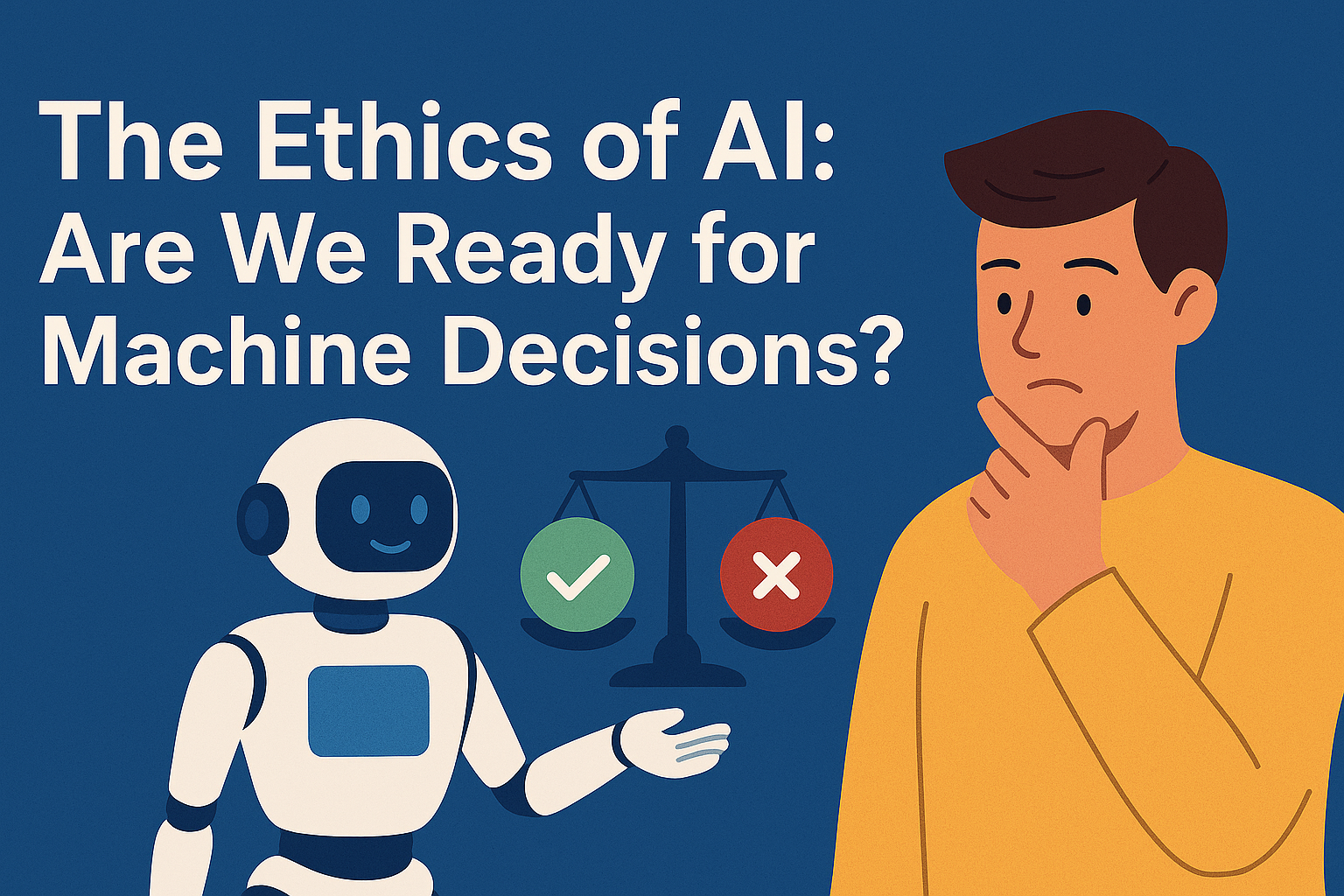
Ethics: Without human input, AI is unable to make moral decisions.
These elements demonstrate how important people are to many occupations that demand a human touch, like leadership, counselling, and the arts, which also ties into broader discussions around the ethics of AI.
Is AI Taking Over Jobs or Redefining Them?
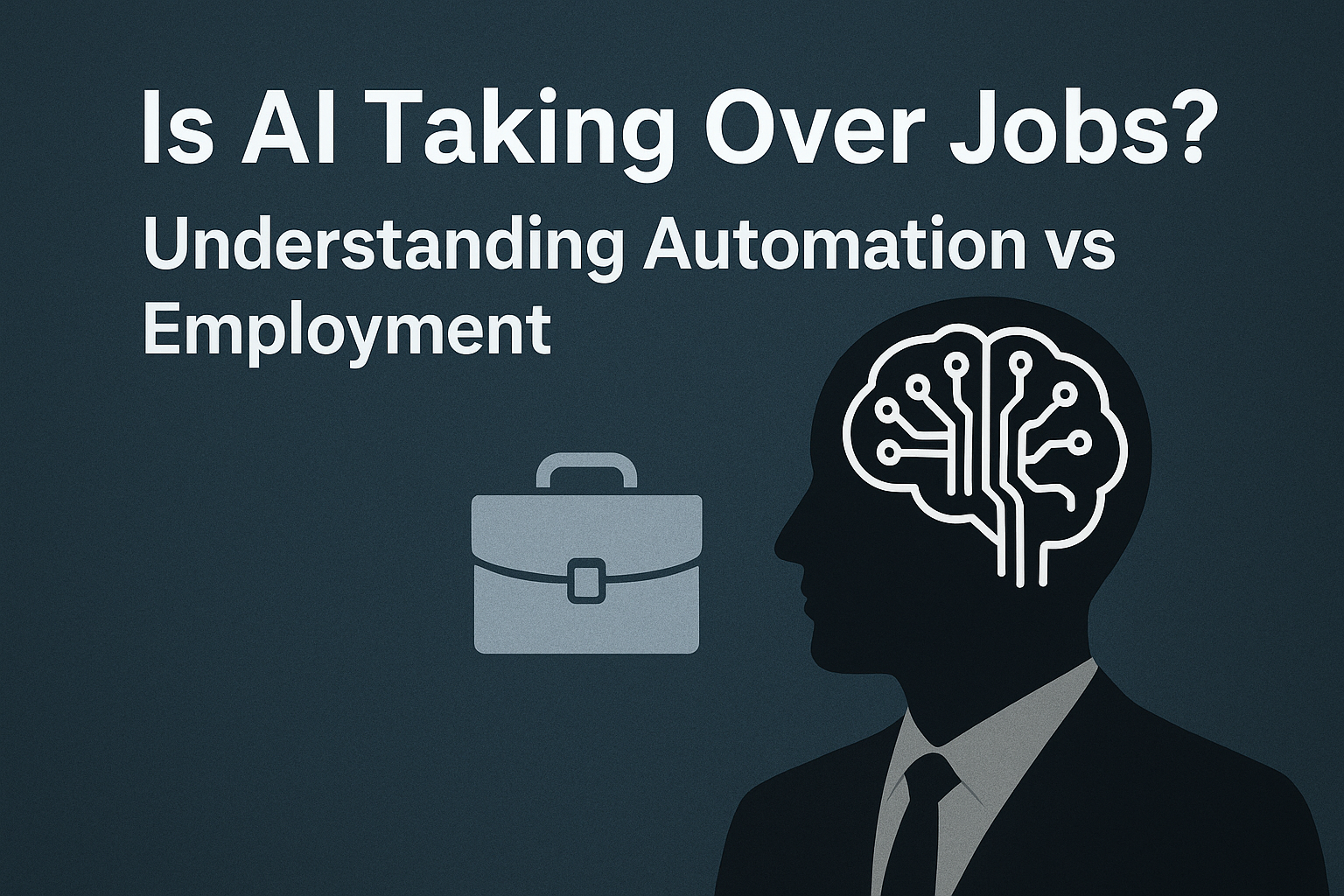
Are jobs being replaced by AI? It’s a complicated answer. Without a doubt, AI is changing industries and automating repetitive tasks. However, by generating new opportunities, enhancing human potential, and encouraging employees to take on higher-value tasks, it is redefining the workplace rather than completely replacing employment.
Adaptation is the key. In this new age of work, people who value uniquely human skills, use Top 10 AI tools, and embrace lifelong learning will prosper.
Conclusion:
The argument over AI and employment is more about transformation than extinction. Even though some jobs are in danger, others are changing, and new careers are starting to appear. The question of how society will adjust to this technological change is more important than whether AI will replace jobs.
In the end, automation need not have a detrimental impact on employment. AI has the potential to increase productivity, eliminate repetitive tasks, and lead to new career opportunities if properly managed. Rather than being afraid of automation, we should see AI as a strong ally in determining the nature of work in the future.