




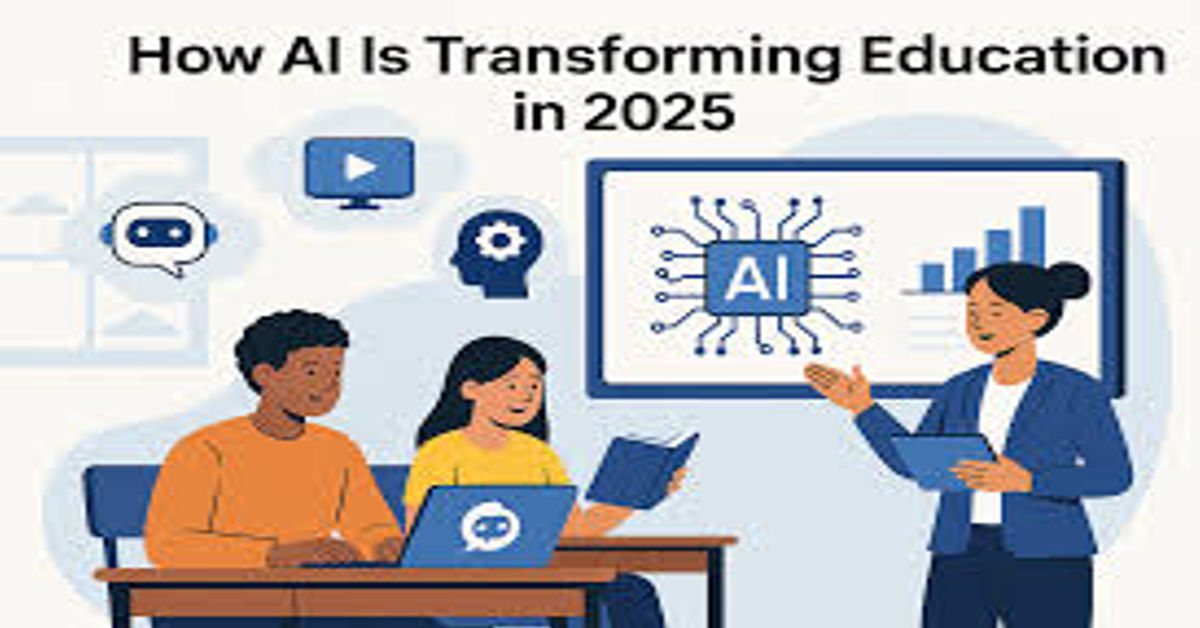
From the invention of the printing press to the internet, education has always changed in tandem with technology. The most significant change to date is being driven by artificial intelligence (AI) in 2025. AI is becoming a commonplace aspect of education thanks to virtual classrooms, smart assessments, and personalised learning tools. This article examines how AI Is Transforming Education in 2025, the implications for educators and learners, and the direction of the field.
How Is AI Changing Classrooms in 2025?
In 2025, classrooms will be more than just four walls. Students now experience blended learning environments, which blend traditional instruction with intelligent digital tools, thanks to artificial intelligence in education. Platforms with AI capabilities evaluate students’ progress, offer immediate feedback, and suggest individualised study plans.
For instance, AI modifies lesson plans if a student performs well in reading but struggles in maths. This keeps learning interesting and guarantees that students don’t fall behind. Teachers gain as well because AI takes care of tedious jobs like grading, freeing up their time to concentrate on mentoring and creative endeavours.
What Role Does Artificial Intelligence Play in Personalized Learning?
Personalised learning is one of AI’s greatest educational contributions. AI customises lessons to meet the needs of each student, in contrast to a classroom that follows a one-size-fits-all approach.
Platforms for adaptive learning monitor student performance and modify lessons based on their individual strengths and shortcomings.
AI tutors offer one-on-one assistance and respond to enquiries at any time or location.
Before it’s too late, learning analytics assist teachers in identifying students who are at risk of falling behind.
This makes learning more efficient and pleasurable for students. It provides educators with insights that were previously impossible to obtain through manual means.
How Does AI Improve Student Engagement?
Maintaining student motivation has always been a significant challenge in education. By 2025, AI for students will increase the interactivity of learning. Lessons become more like experiences rather than lectures thanks to gamified platforms, realistic simulations, and even AI-driven storytelling.
Gamification makes learning enjoyable by rewarding students for finishing assignments.
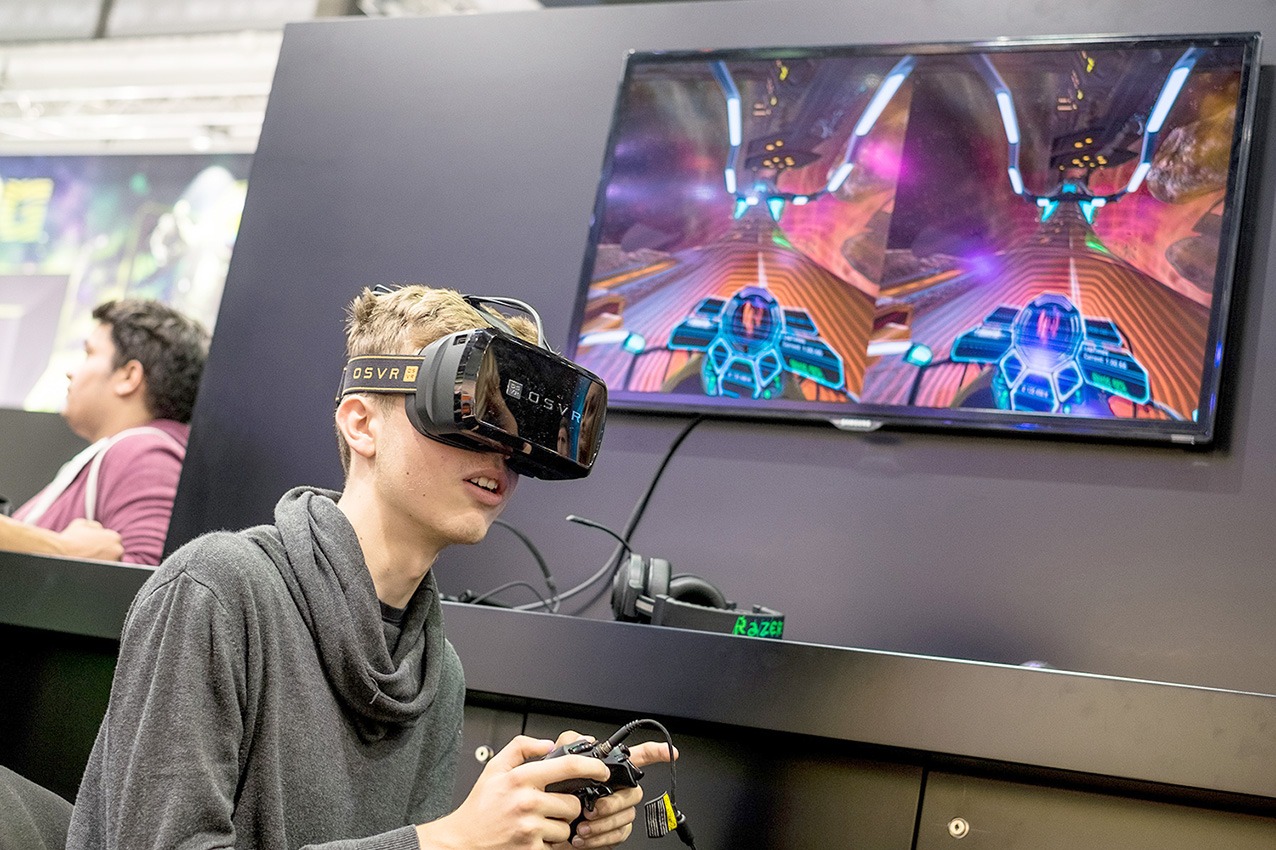
Augmented reality (AR) and virtual reality (VR): These AI-powered tools make geography, science, and history come to life.
Chatbots and virtual assistants: Students can ask questions at any time and receive prompt answers, which lessens frustration.
AI guarantees increased student engagement by transforming passive learning into active exploration.
Can AI Help Teachers and Educators in 2025?
AI supports educators rather than replaces them because teachers are the foundation of education. By 2025, teachers will be using AI in the classroom to improve instruction and better manage time.
Hours of manual labour are saved by automated grading systems.
Study aids, summaries, and quizzes are produced by intelligent content creation tools.
Predictive analytics show which students require additional help, aligning with broader Predictions for the Future of AI in education
Teachers can now devote more of their time to mentoring, creating creative lessons, and strengthening relationships with students rather than staying up late marking papers.
How Is AI Supporting Inclusive Education?
In global education, accessibility has always been a problem. AI Is Transforming Education is pushing the boundaries of inclusivity.
Students with hearing impairments benefit from AI-powered speech recognition.
Tools that convert text to speech help students who are blind or visually impaired.
Students around the world can access content in their native tongue thanks to real-time language translation.
By 2025, artificial intelligence will have broken down barriers and given all students equal learning opportunities, regardless of their background or skill level.
How Does AI Benefit Higher Education and Research?
Universities and research facilities are changing as a result of AI Is Transforming Education. AI-powered tools assist students with data analysis, career counselling, and academic writing.
In just a few minutes, research automation tools can analyse large datasets.
AI-powered career counselling suggests classes based on trends in the labour market.
Academic integrity is ensured by intelligent plagiarism detectors.
AI is a partner in innovation and discovery for higher education, not just a learning aid.
What Are the Challenges of Using AI in Education?
Despite the obvious benefits, there are drawbacks to using AI in education. Data privacy, affordability, and an excessive reliance on technology are issues that schools and universities must deal with.
Data security: Information about students needs to be shielded from abuse.
Digital divide: Particularly in developing nations, not all students have access to cutting-edge AI tools.
Training for teachers: Teachers must be taught how to successfully incorporate AI while maintaining a human touch.
Making AI a sustainable force in education requires striking a balance between innovation and moral obligation.
What Does the Future of AI in Education Look Like?
AI is already changing the way people learn by 2025, but the process is only getting started. More immersive AI-driven classrooms with seamless integration of robotics, virtual reality, and intelligent assistants are anticipated by experts. Education will become more globally connected, flexible, and individualised.
AI Is Transforming Education will not replace teachers; rather, it will empower them and enable students to realise their greatest potential. Artificial intelligence will persist in serving as a link between information, students, and opportunities worldwide.
Conclusion: How AI Is Transforming Education in 2025
In conclusion, the story of AI’s impact on education in 2025 is one of opportunity, inclusivity, and innovation. AI Is Transforming Education both the way teachers and students learn, from immersive classrooms to personalised learning. AI is a crucial partner in the future of education because, despite certain difficulties, the advantages exceed the risks.
The question for the future is not whether artificial intelligence will influence education, but rather how well we can use it to make the world a better, smarter, and more connected place for all students.