




Artificial Intelligence (AI) is now a major part of our daily lives and has exceeded science fiction and tech labs. AI is now a necessary part of everyday life, from schedule-management smart assistants to AI-powered medical devices. The technology is more advanced, available, and useful in 2025 than it has ever been.
This article will look at how AI Is Used in Daily Life, provide examples of AI in action, and analyse various AI applications that are changing the way we live, work, and learn.
What Does AI Used in Daily Life Look Like in 2025?
AI is now included into practically every aspect of AI Is Used in Daily Life, not just chatbots and recommendation engines. AI powers many of the systems in your environment, whether you’re managing your health, shopping online, or commuting.
Repetitive tasks can be automated with the aid of smart assistants.
Recommendations driven by AI personalise online experiences.
Early diagnosis is supported by healthcare tools.
Smart homes maximise security and energy efficiency.
By 2025, these uses will be more seamless, establishing AI as a consistent but frequently unseen part of modern life.
How Is AI Used in Personal Assistants and Smart Devices?
AI applications are widely used in virtual personal assistants such as Google Assistant, Alexa, and Siri. By 2025, these assistants have become more intelligent thanks to advancements in predictive analytics and natural language processing (NLP).
These days, voice-based commands can be used to schedule appointments, operate household appliances, and even manage finances.
Smart gadgets and speakers are able to predict user needs, like recommending groceries or changing the lighting.
AI is joined with wearables to track health and make real-time fitness recommendations.
By repetitive tasks and saving time, these innovations display AI in everyday life.
How Is AI Changing Healthcare in 2025?
One industry where AI is having a transformative effect is healthcare. Examples of AI in the real world today include devices that help physicians, keep an eye on patients, and even anticipate possible health problems before symptoms show up.
AI diagnostic tools can more accurately identify conditions like diabetes, cancer, and heart disease.
AI is used by telemedicine platforms to suggest treatments and conduct virtual consultations.
AI-powered robotic surgery guarantees accuracy and quicker recovery.
In the healthcare industry, predictive analytics aids in resource planning and outbreak prediction, aligning with broader predictions for the future of AI.
These AI application examples demonstrate that AI can save lives in addition to being convenient.
How Is AI Used in Education and Learning?
In 2025, AI was also adopted by the educational sector, increasing availability and personalisation of instruction, showing how AI is transforming education.
AI-driven tutoring programs adjust to the unique learning preferences of each student.
Fairness is maintained while teacher workloads are decreased by automated grading tools.
AI is used by language learning applications to give users immediate feedback on their grammar and pronunciation.
Interactive classroom experiences are produced by AI-enhanced VR and AR learning platforms.
This shows how AI Is Used in Daily Life promotes lifelong learning in addition to business and entertainment.
How Is AI Transforming Shopping and Customer Experiences?
Real-world AI examples that enhance customer engagement abound in retail and e-commerce.
AI-powered recommendation systems use past purchases and preferences to tailor shopping experiences.
Chatbots offer round-the-clock customer service, which speeds up and improves problem-solving.
AI in logistics optimises supply chains to guarantee on-time delivery.
AI is used by in-store smart systems for real-time stock management and cashierless checkouts.
Customers will benefit from more seamless transactions and more pertinent product recommendations as a result.
How Is AI Applied in Transportation and Travel?
In 2025, AI has significantly changed the transportation industry.
Accidents caused by human error are decreased by self-driving cars, which are safer and more dependable.
AI in navigation apps forecasts traffic patterns and recommends the best routes.
AI is used by airlines and travel agencies to handle reservations, cut down on delays, and improve customer support.
AI is used by public transport systems for scheduling and real-time passenger updates.
These AI application examples demonstrate how AI is changing how people travel throughout cities and the globe.
How Does AI Improve Entertainment and Media?
AI has made entertainment more individualised.
AI recommendation systems are a major component of streaming services like Netflix and Spotify.
Music, artwork, and even scripts created by AI are becoming more and more popular.
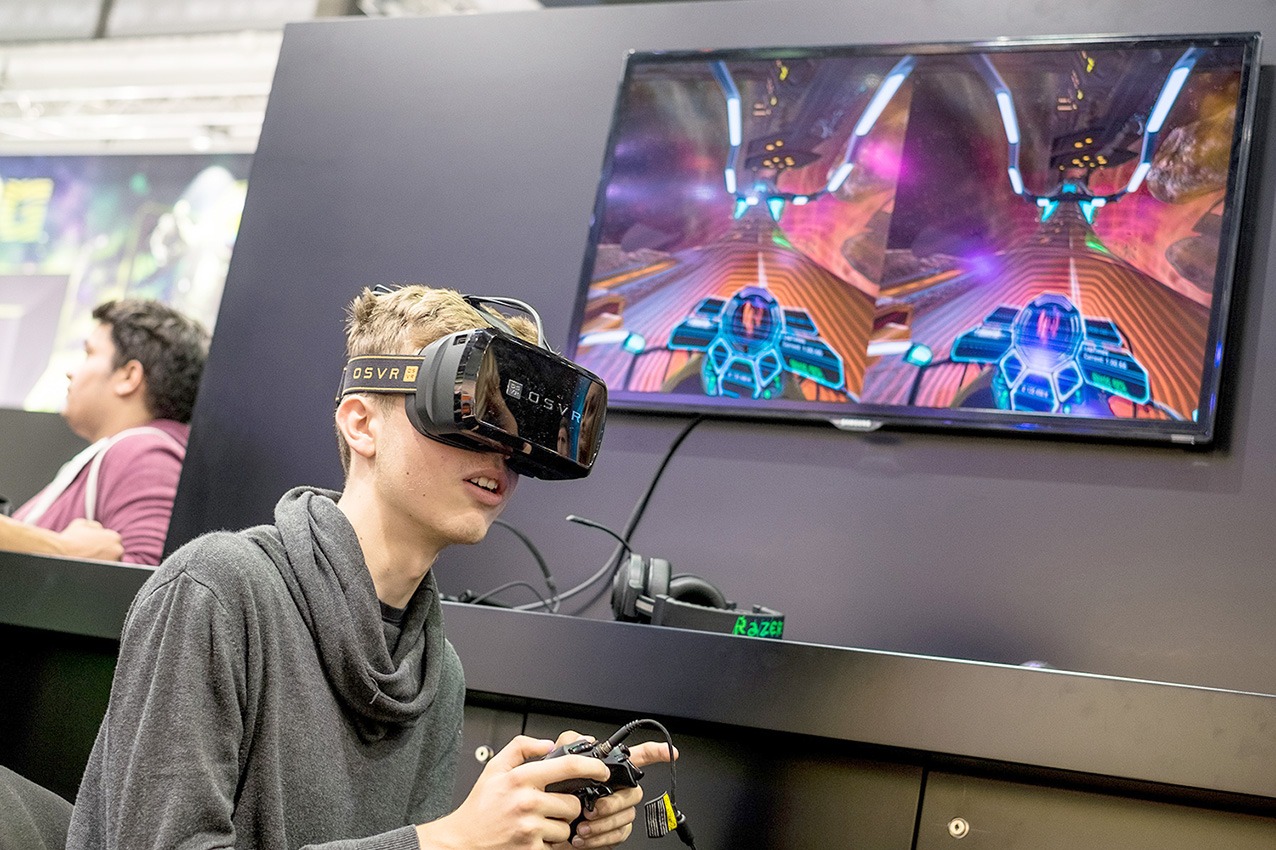
AI is used in gaming to produce more realistic and responsive virtual characters.
AI is used by social media companies to improve engagement, identify deceitful content, and organize feeds.
These developments show how AI is used in everyday life in ways that combine entertainment and technology.
How Is AI Used in Finance and Banking?
Another excellent area for real-world AI examples is the financial industry.
Millions of transactions are tracked in real time by fraud detection systems.
Robo-advisors with AI capabilities offer individualised investment plans.
AI is used in daily life through credit scoring systems that analyze comprehensive financial data to provide fairer evaluations.
Banking chatbots assist customers with tracking expenses, transferring funds, and checking balances.
AI is improving the security and usability of finance through these applications.
What Are the Future Possibilities of AI in Daily Life?
Even though there are some amazing examples of AI applications today, there is even more promise for the future.
Smart cities powered by AI will optimise waste management, traffic, and energy use.
AI in agriculture will increase sustainability and food production.
AI for mental health could offer therapy and emotional support in real time.
In industries, independent systems will lower risks and increase efficiency.
AI is used in daily life more than ever, and its role will only grow as technology continues to develop.
Conclusion: How AI Is Used in Daily Life in 2025
By 2025, artificial intelligence (AI) is a reality rather than merely a sci-fi concept. AI improves convenience, efficiency, and safety in everything from healthcare and personal assistants to banking, shopping, and transportation systems. These real-world AI examples demonstrate the technology’s increasing strength and usefulness.
One thing is evident from the expanding list of AI applications: AI is influencing our daily lives and not just powering industries.